Training at home is a great way to stay consistent when work, family or the weather get in the way of getting to the gym. Many people start with good intentions, buy a large machine and end up using it as a clothes rack. A better approach is to start small, with a few versatile pieces that take up little space and suit the training you actually enjoy.
As autumn arrives and the evenings get darker, this is a good time to put together a simple kit that makes it easy to train on the days you cannot get out.
Start With Your Goals and Space
Before you buy anything, ask yourself two questions: what do you want to improve, and where will you train? Someone who wants to build general strength needs different tools from someone who mostly wants to stay mobile and active. Measure the space you have, and think about where the equipment will live when you are not using it. Kit that is easy to grab is kit that gets used.
The Essentials
For most people, a handful of items cover almost every type of workout:
- An exercise mat: gives you grip and cushioning for floor exercises, core work and stretching.
- Resistance bands: light, cheap and very versatile. Use them for warm-ups, glute work, rows and assisted stretches.
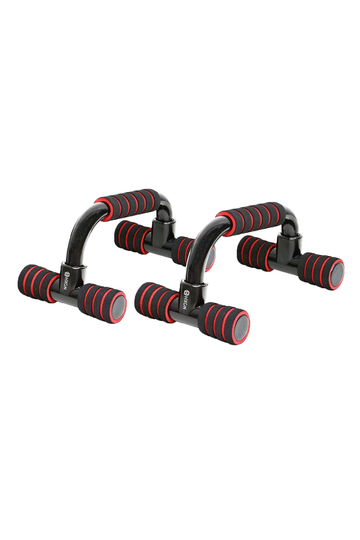
- Push-up bars: a pair of angled push-up parallel bars lets you hold a neutral grip, which many people find more comfortable on the wrists, and also works for dips and L-sit practice.
- An ab wheel: a simple tool for challenging core work once you have built a base of strength.
- A skipping rope: an easy way to add cardio when you have only a few minutes.
Adding Weight Over Time
Once bodyweight exercises start to feel easy, adding weight is the natural next step. Adjustable dumbbells or a small set of fixed weights let you progress on squats, presses, rows and lunges. An adjustable bench adds even more options, from incline presses to step-ups, but it takes more space, so it is worth adding only when you know you will use it.
Progress slowly. Add a few repetitions or a small amount of weight at a time, and focus on good technique before you go heavier.
A Simple Home Session
Here is a basic full-body session using the essentials. Do two or three rounds, resting as needed:
- 10 to 15 squats
- 8 to 12 push-ups on the push-up bars
- 12 to 15 band rows on each side
- 10 glute bridges
- 5 to 10 slow ab wheel rollouts from the knees
- 1 minute of skipping or marching on the spot
Always start with a short warm-up. Our guide on how to warm up and cool down explains a simple routine. If you are new to exercise, are recovering from an injury or have a health condition, check with your doctor or a physiotherapist before starting, and stop if anything causes pain.
Keep It Easy to Start
The best home kit is the one that removes excuses. Keep your mat rolled up in a corner, your bands in a small box and your rope by the door. Write your sessions down so you can see your progress. You can find more ideas for kit in our gym equipment section, and pick up a sturdy gym bag for the days you take your training outside.